
Seals for Koliva
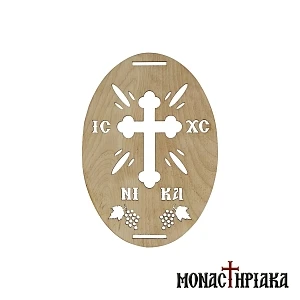
Seal for Koliva IC XC NIKA Oval Shape
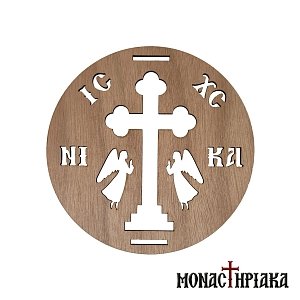
Seal for Koliva IC XC NIKA and Two Angels
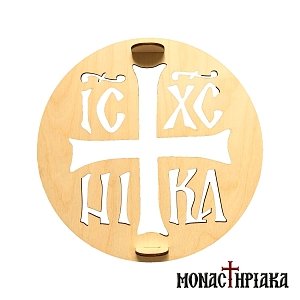
Seal for Koliva IC XC NIKA
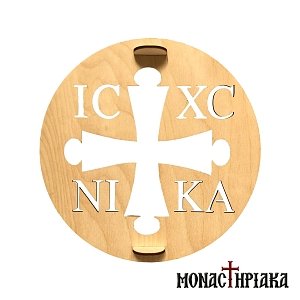
Seal for Koliva IC XC NIKA
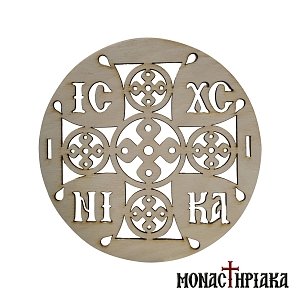
Seal for Koliva IC XC NIKA
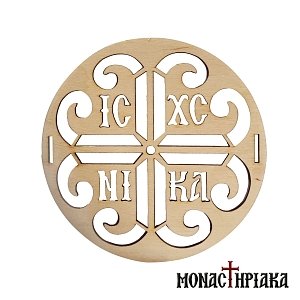
Seal for Koliva IC XC NIKA
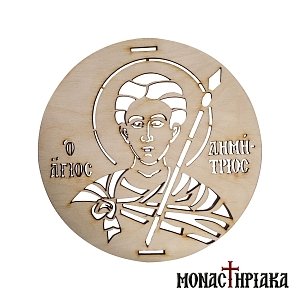
Seal for Koliva with Saint Demetrius
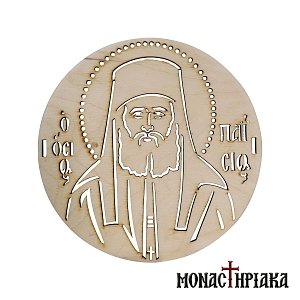
Seal for Koliva with Saint Paisios
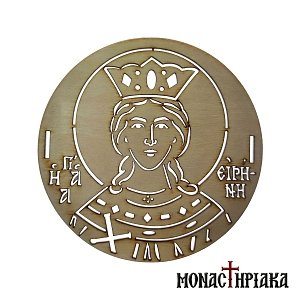
Seal for Koliva with Saint Irene
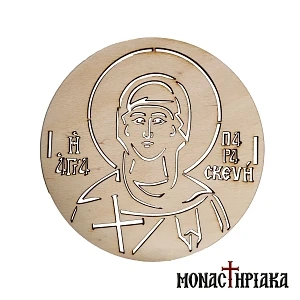
Seal for Koliva with Saint Paraskevi
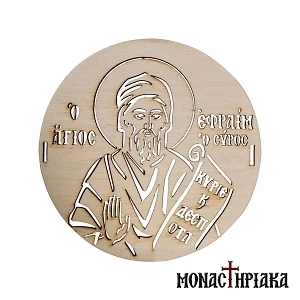
Seal for Koliva with Saint Ephrem the Syrian
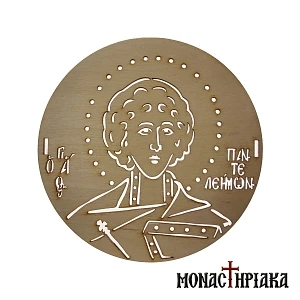
Seal for Koliva with Saint Panteleimon
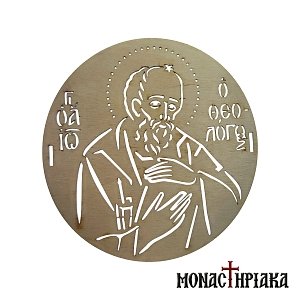
Seal for Koliva with Saint John the Theologian
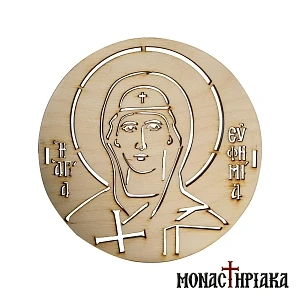
Seal for Koliva with Saint Euphemia
Frequent Questions& Answers
-
How are koliva seals used correctly?
After completing the preparation of the koliva, cover the entire surface with caster sugar and then carefully place the stamp in the center of the plate. Then sprinkle it with cinnamon so that it penetrates the engravings of the stamp and imprints its design. Then, carefully remove the stamp, using the two side handles so as not to alter the design. Clean the stamp thoroughly and let it dry completely. Before storing the stamp, make sure that it has not retained moisture because it is wooden and moisture may cause damage. In our online shop you can find wooden monastic koliva seals with Cross designs, such as the IC XC NIKA koliva seal, the IC XC NIKA seal and two angels, as well as seals depicting Saints, including Saint Paraskevi and Saint Demetrios.
-
How is the seal for koliva connected to the tradition of koliva?
Seals for koliva, like every other element used to decorate koliva, do not serve a merely decorative purpose, their connection to the tradition of kollyva is much deeper. The cross imprinted on the surface of the koliva through the seals is a central symbol, representing the triumph of life over death and the hope of the Resurrection. In addition to crosses, the seals can also depict Saints, such as Saint John the Theologian or Saint Panteleimon, when we wish to honor them. In this way, koliva acquire a special spiritual meaning, and the role of the seals shifts from decorative to deeply symbolic.
-
Why do we eat koliva at memorial services?
We eat koliva at memorial services because they have a strong symbolic meaning and are an established tradition of the Orthodox Church. Koliva are offered during memorial services and on All Soul’s Days. Their main ingredient, wheat, symbolizes death and burial, but also the Resurrection, since the grain “dies” in the earth in order to sprout and give new life. In this way, koliva reminds us of the hope of eternal life and the victory of life over death. According to tradition, koliva were established by Saint Theodore Tiron, who offered them to the faithful during a time of famine. Another tradition recounts that the Saint miraculously protected Christians from Emperor Julian by proposing koliva as safe food. In our article you can read in detail about the meaning and symbolism of kolliva.
-
What material are koliva seals made of?
All koliva seals - stencils are made of wood, a traditional material and the most common choice for preparing koliva. The stencils for kolliva are thin enough in thickness so that they do not “weigh” down on the kolliva, allowing the designs to be imprinted with ease. For greater convenience, they feature side handles that ensure a firm grip and comfortable use when placing and removing them from the kolliva. Each stamp stands out for its design, while the quality and material of construction remain consistent.
-
Are there koliva seals with Saints?
Our online shop offers a range of high quality wooden monastic koliva seals. This collection also includes seals depicting Saints. The depiction of the Saint is made with great care to ensure a clear and distinct imprint on the kollyva. Some of the Saints depicted on the seals include Saint Demetrius, Saint Paisios, Saint Irene, Saint Paraskevi, Saint Ephraim the Syrian, Saint John the Theologian, Saint Panteleimon and Saint Euphemia.
-
Where can I find wooden seals for koliva with a cross?
In our online shop, you can find wooden seals stencils for koliva featuring the Cross as their central theme, available in oval and round shapes. They stand out for their high quality craftsmanship and the clear, well defined imprint they leave. Find here all the available seals for kolliva with cross.
-
In what dimensions and shapes are seals for koliva available?
The koliva seals available in our online shop come in oval and round shapes. Their dimensions remain consistent regardless of the design. All stamps measure 17 × 17 cm, with the exception of the oval seal, which differs due to its shape and measures 12 × 17 cm. All seals are made from high quality wood to ensure durability over time and to achieve the best possible result on koliva, as wood allows for finer and more precise carving compared to other stamping materials.