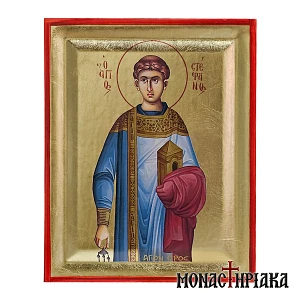
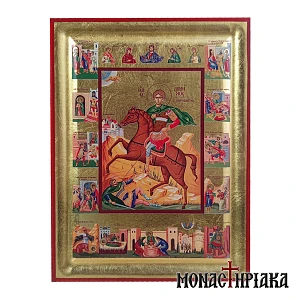
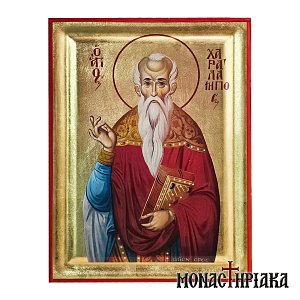
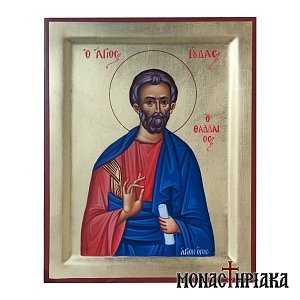
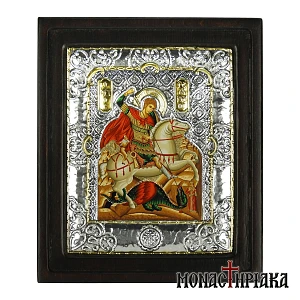
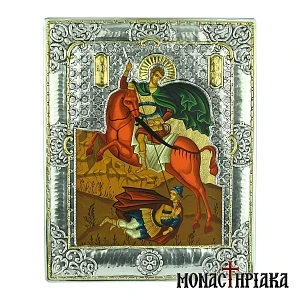
Hand painted iconography of Saint Olaf made in Mount Athos, on natural wood. The icon is delivered in a wooden box.
A Brief Life of Saint Olaf
Following the death of Saint Olaf, his memory became increasingly important among Christians in Norway. Stories of miracles associated with him began to spread, and many people visited his tomb to pay their respects. Over time, Nidaros became an important pilgrimage destination, and a magnificent cathedral was built there in his honour. Saint Olaf was officially recognised as a saint approximately one year after his death, through the efforts of Bishop Grimkell. From that time onwards, he became closely associated with the Christian heritage of Norway. His legacy also took on great historical and cultural significance, making him an enduring symbol of the Norwegian people. His veneration eventually spread beyond Norway, reaching other parts of Europe, where churches were dedicated to his memory. His place in Christian tradition was preserved in both Western and Eastern Christianity. Since he lived before the Great Schism of 1054, he is also honoured in the Orthodox Church. His feast day is celebrated on 29 July, marking the date of his death at the Battle of Stiklestad. In Norway, this day holds particular significance and is known as Olsok, a traditional celebration in his honour.