The Kromitsa Estate
Kromitsa is a place where the Athonite monastic tradition and the cultivation of the land have evolved side by side for centuries. As a glebe (metochi) of the Holy Monastery of St. Panteleimon, it is not merely an agricultural estate, but a living space that continues to support the life of the Monastery through its olive groves, orchards and vineyards. The natural landscape of northern Mount Athos, with its forests and gently rolling hills, forms an environment of striking contrasts and subtle transitions, offering ideal conditions for viticulture and shaping the character of the estate.
KROMITSA Vineyard, Mount Athos
Organic Cultivation for Kromitsa Wines
The long-standing relationship between Kromitsa and viticulture continues to this day through a vineyard that extends across different elevations and exhibits notable variations in its microclimate. The varying orientations of the vineyard plots, some facing the Singitic Gulf and Ammouliani Island, and others the Strymonic Gulf, create distinct conditions that influence the ripening of the grapes.
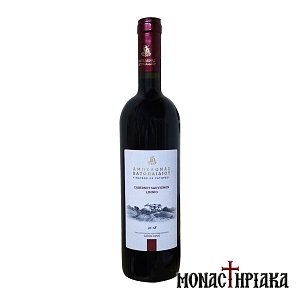
The vineyard is planted with Assyrtiko, Malagousia, Roditis, Chardonnay, Cabernet Sauvignon, Grenache and Limnio, while many vines exceeding 35 years of age. The area's inclusion in the Natura 2000 network and the respect for the natural environment favor organic farming, maintaining the balance of the ecosystem.
The recent establishment of a modern winery within the estate has enabled vinification to take place at the Kromitsa metochi, combining contemporary winemaking practices with the long-standing tradition that defines Kromitsa.
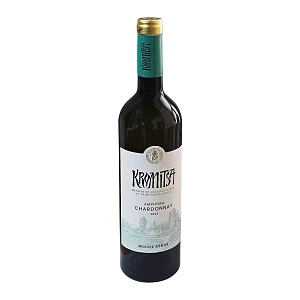
KROMITSA Rosé 2025
Category: PGI Mount Athos
Grape Varieties
A balanced blend of Grenache (50%) and Cabernet Sauvignon (50%), combining fruity expression with structure and depth to create a complex and expressive rosé wine.
Aromatic Profile
Its delicate rosé colour is matched by a layered aromatic profile. Notes of cherry, strawberry and blueberry stand out, supported by floral and herbal nuances that add both freshness and complexity.
Taste Profile & Food Pairing
Its flavor is characterized by harmony and strength, as acidity is combined with rich extract and a pleasant aftertaste. It pairs perfectly with seafood, fish, chicken, pork, fresh salads and vegetable-based dishes.
Historical Background
The history of Kromitsa is inseparably linked with the long viticultural tradition of Mount Athos. The development of Athonite wine from the 10th century to the present day illustrates how winemaking evolved within the monastic state, preserving a living tradition that continues in Kromitsa today. Key milestones in the history of Athonite wine include:
Antiquity: The wider region is associated with the production of the renowned “Acanthus Wine” evidence of the area’s deep-rooted viticultural heritage.
972 AD: The First Typikon of Mount Athos established regulations governing the production, consumption and management of Athonite wine, already recognising its importance in monastic life.
11th century: The earliest references confirm the presence of vineyards in Kromitsa, alongside the development of monastic activity in the area.
Early 20th century: The vineyard experienced a period of significant prosperity, with notable wine production supporting the needs of the Monastery.
1970s–1980s: Despite challenges in cultivation, efforts began to revive the historic vineyard, while Athonite wine gained official recognition as a Protected Geographical Indication (PGI).
Present day: The Holy Monastery of St. Panteleimon continues this tradition, investing in the revival of the vineyard and the operation of a modern winery within the estate, aiming to preserve both quality and historical continuity.
At the same time, wine also holds a profound spiritual dimension in Christian tradition, where, from the Old to the New Testament, it is associated with Christian life, offering, and the Holy Eucharist.