
Pine Honey
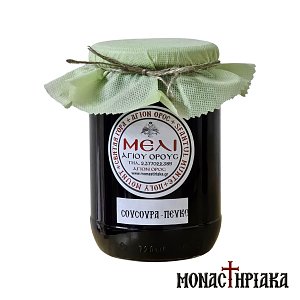
Erica and Pine Honey of Mount Athos - 1Kg
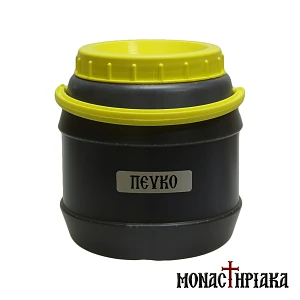
Pine Honey of Mount Athos - 3Kg

Pine Honey of Mount Athos - 1Kg
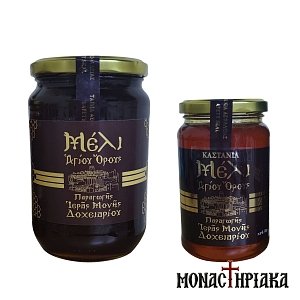
Honey of Holy Monastery Docheiariou
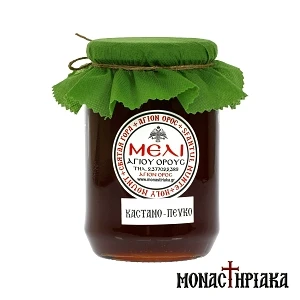
Chestnut - Pine Honey of Mount Athos - 1Kg
Frequent Questions & Answers
-
Is pine honey produced in Mount Athos?
Mount Athos pine honey is produced in the lush pine forests of Kapsala and Giovanitsa on Mount Athos, during both spring and autumn each year. It accounts for approximately 65% of total Greek honey production and is derived from the honeydew secretions of the insect Marchalina hellenica, which inhabits various pine species. Pine honey of Mount Athos is distinguished by its dark color and rich, aromatic flavor. Owing to its antimicrobial and antiseptic action, as well as its high nutritional value, it is regarded as an exceptional natural product, which is truly beneficial to human health.
Find here: Mount Athos Pine Honey
-
What are the properties of pine honey? What is its nutritional value?
Pine honey is derived from honeydew secretions found on the branches and trunk of pine trees. Athonite pine honey is collected each spring and autumn from the pine forests of Giovanitsa and Kapsala.
Pine honey benefits:
1. Anti-inflammatory and antiseptic properties.
2. Supports digestive health.
3. Strengthens tissues.
4. Stabilizes the function of internal organs.
5. Helps soothe sore throat and respiratory infections.
6. Supports cardiovascular health, as well as muscle and bone strength.
Find here: Pine Honey of Mount Athos
-
What should we do to bring frozen honey back to its flowing state?
To restore honey that has crystallized back to its original state, we follow a simple process. First, we place the jar of honey in a container filled with warm water at a moderate temperature, allowing it to rest there for about thirty to sixty minutes. It is essential that the temperature does not exceed 45–50°C, so that the honey’s precious nutrients and natural enzymes remain unharmed. In this way, we create a bain-marie, ensuring that the honey is warmed evenly without coming into direct contact with any source of heat. It is also recommended to change the water in the container every 10–15 minutes, so that the temperature remains steady throughout the entire process.
Through this gentle method, the honey regains its smooth and flowing texture, preserving all its beneficial qualities.