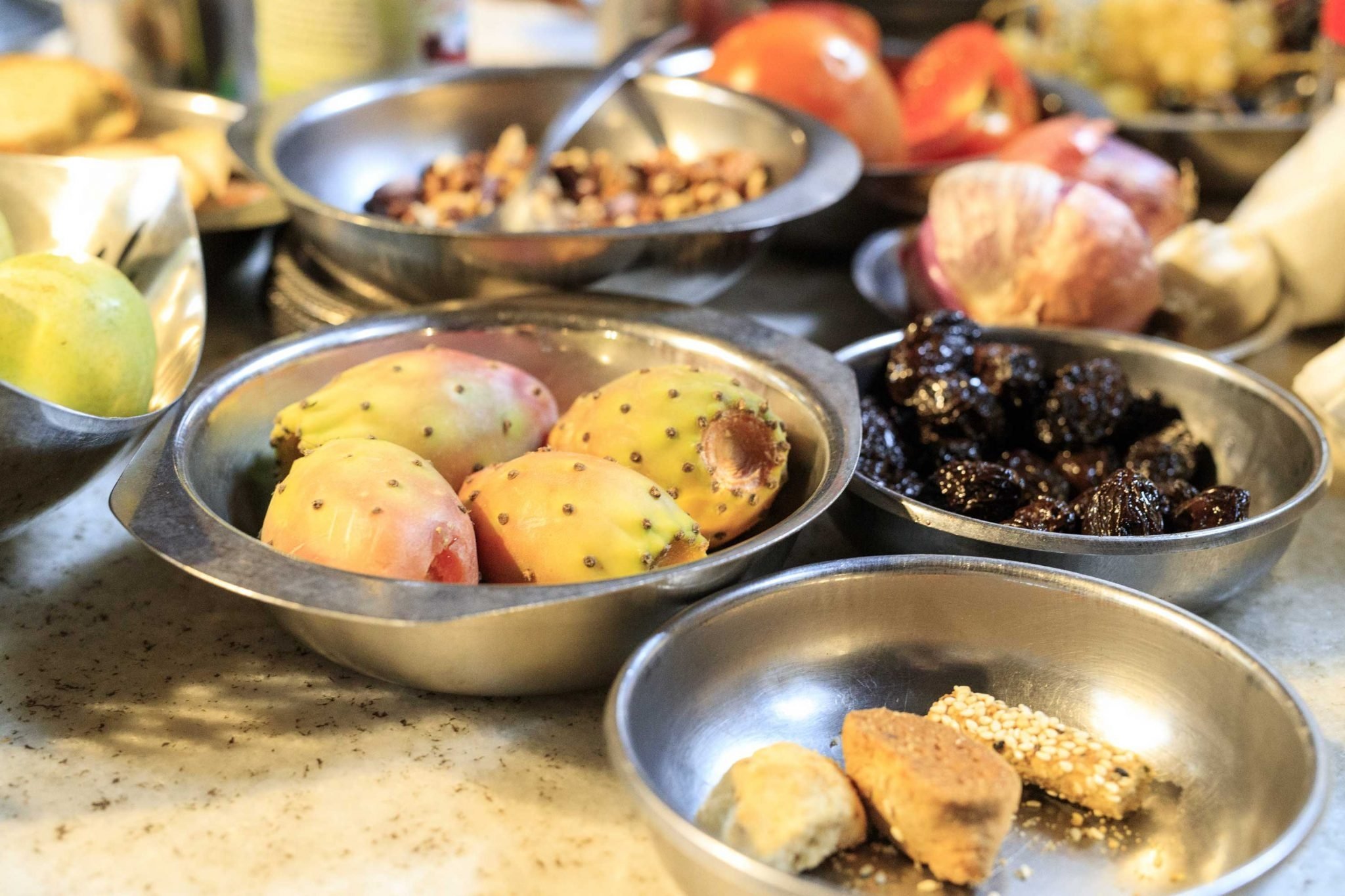

The practice of fasting is mentioned both in the Old and the New Testament, constituting a divine commandment and a timeless religious tradition. According to the Holy Fathers of our Church, fasting is the first commandment given to human by God.
In the Gospel according to Matthew, we encounter the following passages:
«Moreover, when you fast, do not be like the [a]hypocrites, with a sad countenance. For they disfigure their faces that they may appear to men to be fasting. Assuredly, I say to you, they have their reward.» (Matt. 6:16–18).
Jesus Christ further emphasized the value of fasting, saying: «However, this kind does not go out except by prayer and fasting.» (Matt. 17:21)
1. The Fast of the Great Lent
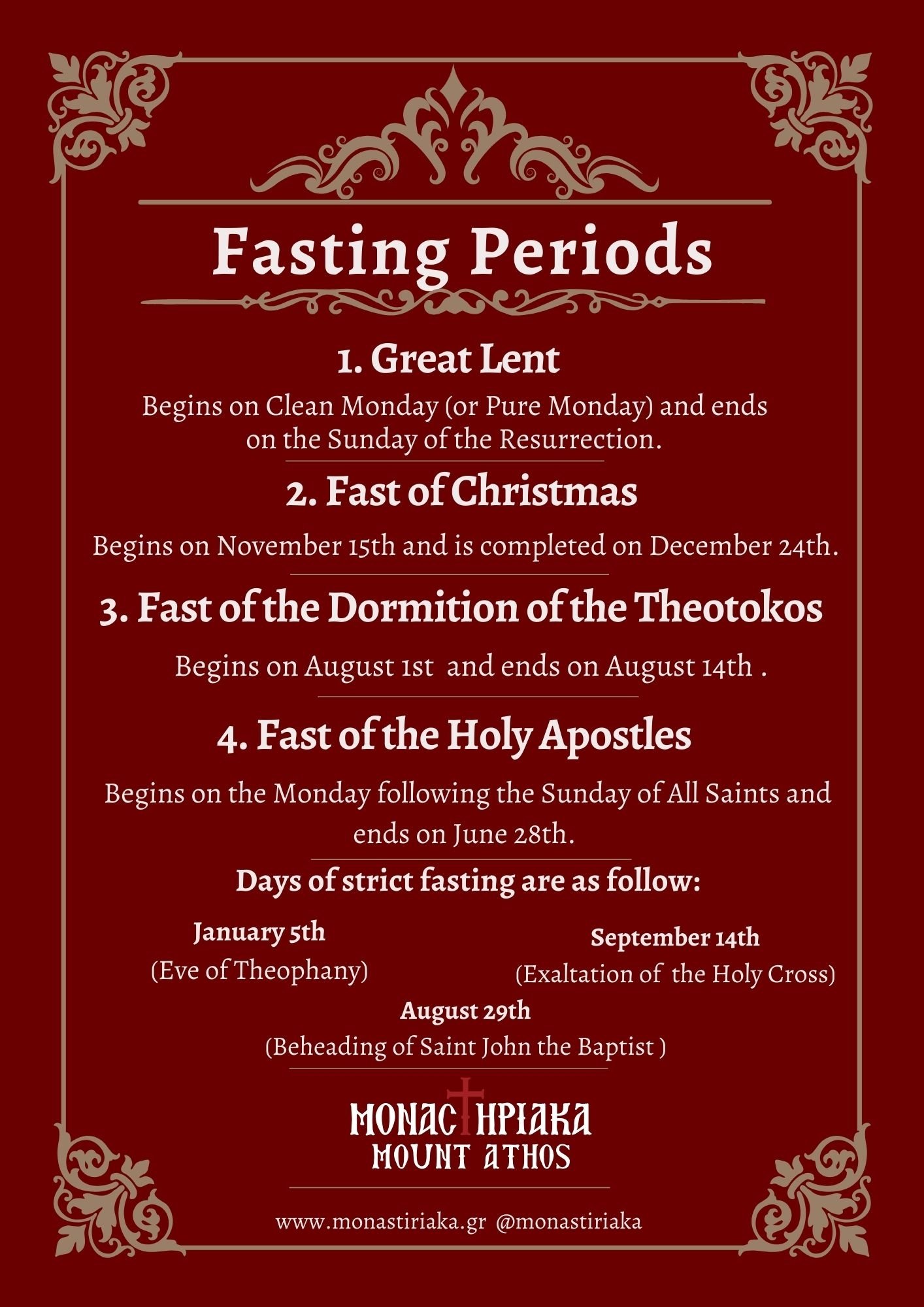
One of the most important and longest fasting periods of our Church is the Fast of the Great Lent, which begins on Clean Monday (or Pure Monday) and ends on the Sunday of the Resurrection. It is the strictest fast of the entire year.
Through the fast of Great Lent, we prepare ourselves to participate in the Passion of our Lord Jesus Christ and in the joy of His Resurrection.
Find here: What we eat at Great Lent: Rules and Exceptions about Fasting
From which foods we abstain during Great Lent
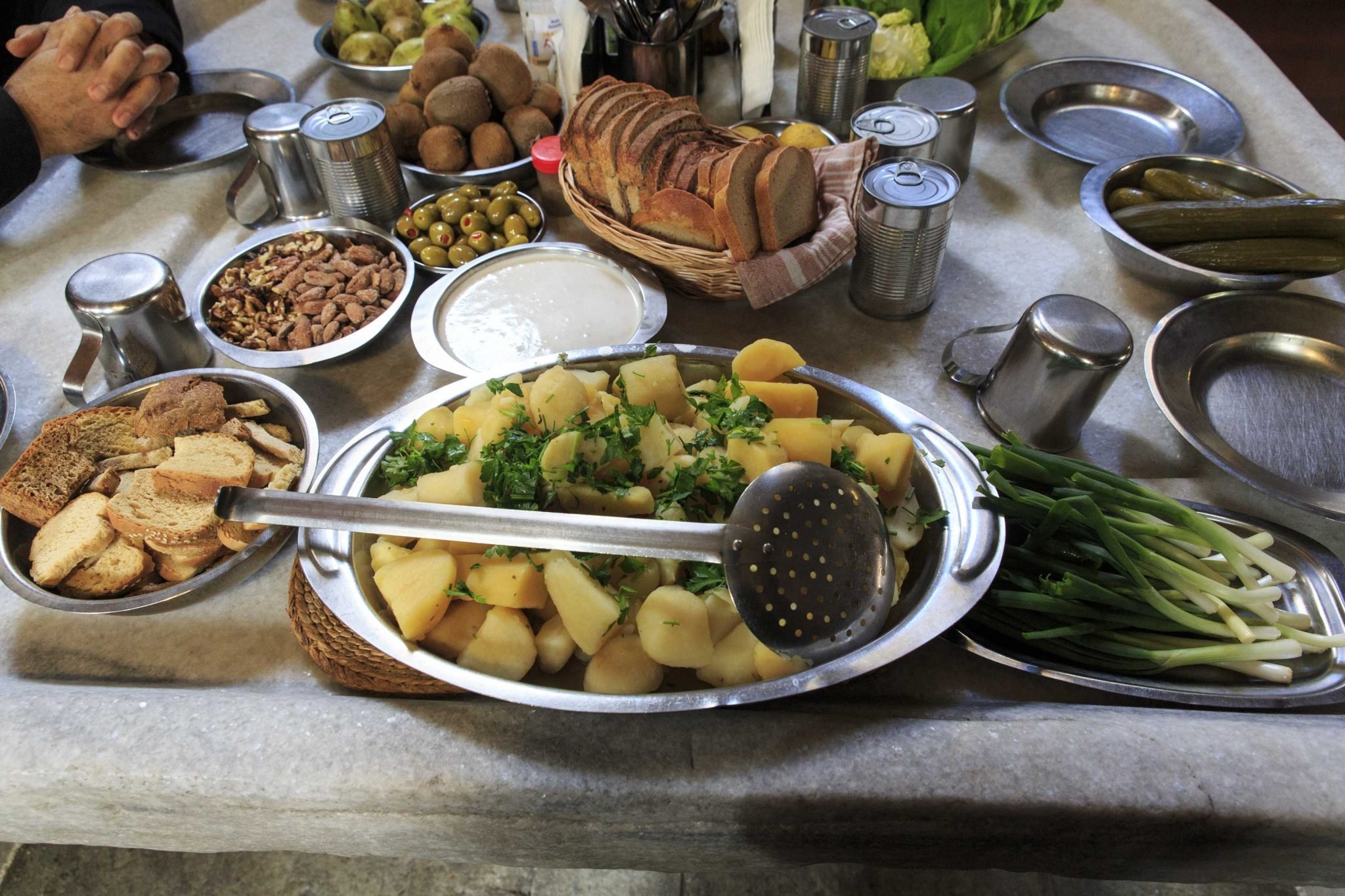
During Great Lent, the consumption of meat, fish, dairy products, eggs, olive oil, and wine is not permitted.
Olives are permitted, as they are consumed as fruit, while oil may be consumed only on Saturdays and Sundays.
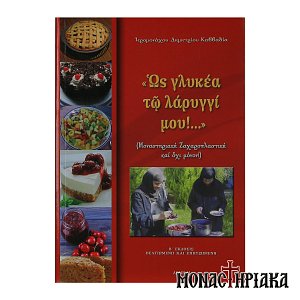
Find here: Fasting Recipes without Oil
Exceptions to the Fast of Great Lent
The period of Great Lent includes certain days when exceptions to the general fasting rules apply.
A) On March 25th, the Feast of the Annunciation of the Theotokos, as well as on Palm Sunday, fish may be consumed.
B) On March 26th, the day dedicated to the memory of the Holy Forty Martyrs, oil and wine may be consumed
C) On Holy Saturday, a strict fast is kept, without oil or wine.
2. The Fast of Christmas
Christmas fast, also called the Forty Days or Little Lent, is not characterized by the same strictness as the fast of Great Lent.
Christmas fast begins on November 15th and is completed on December 24th, the eve of the feast. During this period, the consumption of meat, dairy products, and eggs is prohibited.
By contrast, the following foods are permitted under certain conditions:
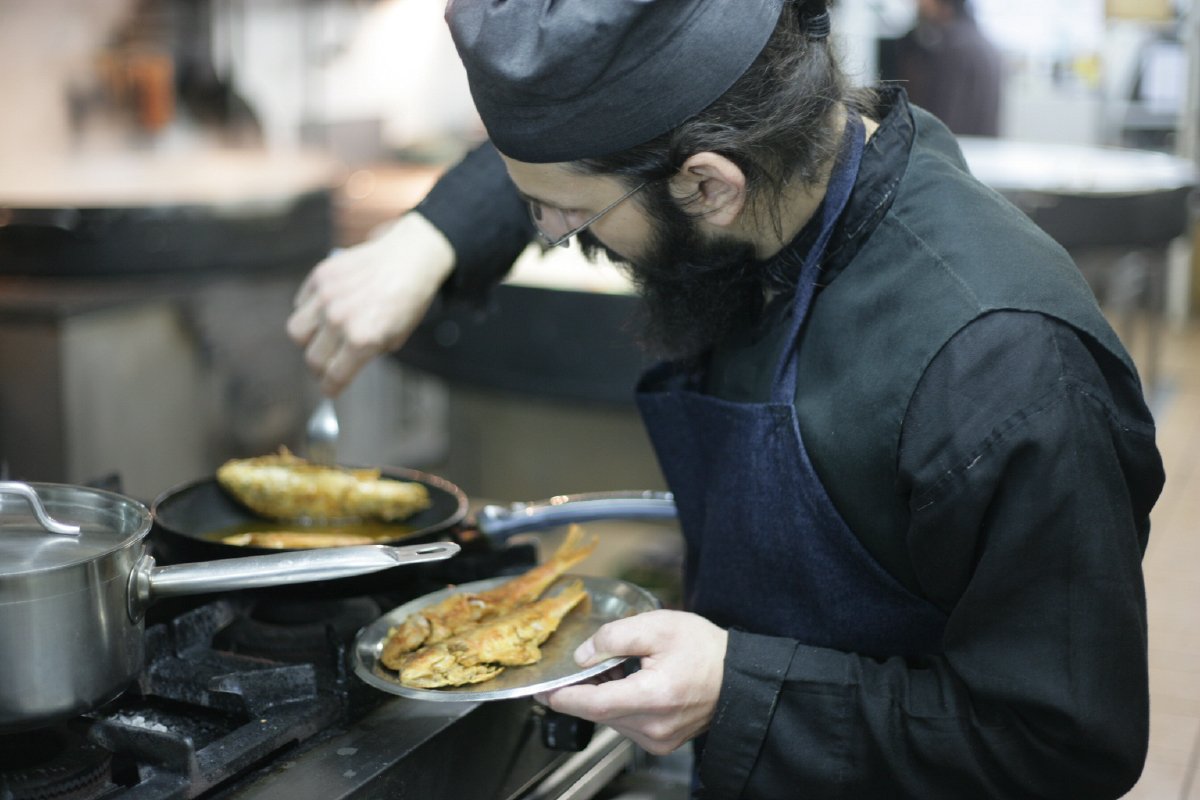
A) Fish may be consumed every day except Wednesdays and Fridays until December 17th. This duration, which consists of the first 33 days, corresponds to the years that Jesus Christ lived on earth.
B) Fish is permitted on November 21st, the Feast of the Presentation of the Theotokos to the Temple, regardless of the day of the week.
C) Oil and wine are permitted from December 18th to December 23rd, except on Wednesdays and Fridays.
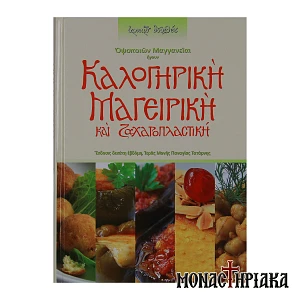
Find here: Monastic Recipes with Fish
3. The Fast of the Dormition of the Theotokos
During the period of the feast of the Dormition of the Theotokos, the fast is strict. This is observed to honor and glorify the greatest feast of the Mother of God in Orthodoxy.
Specifically, we abstain from eating oil on all days, with the following exceptions:
A) On Saturdays and Sundays, oil and wine are permitted.
B) Fish is allowed only on the Feast of the Transfiguration of the Savior, which is on August 6th.
C) Fish is also permitted if the Feast of the Dormition (August 15th) falls on a Wednesday or Friday.
4. The Fast of the Holy Apostles
The fast of the Holy Apostles bears their name because it precedes two great apostolic feasts. The Feast of the Holy Glorious Apostles Peter and Paul, celebrated on June 29th and the Synaxis of the Twelve Apostles, celebrated on the following day, June 30th.
This fast is short in duration and variable, since its beginning depends on the date of Easter, which is movable. It begins on the Monday following the Sunday of All Saints and ends on June 28th, the eve of the feast of Apostles Peter and Paul.
According to the ecclesiastical calendar, the Fast of the Holy Apostles never exceeds thirty days. In cases where Holy Easter is celebrated between May 5th and May 8th, this fast may be omitted entirely.
During this period, the fast entails abstinence from meat, dairy products, and eggs.
During the Fast of the Apostles, fish is permitted when the following circumstances occur:
A) on the Feast of the Nativity of Saint John the Forerunner (June 24th), whatever day it may fall on.
B) on the Feast day of the Holy Apostles Peter and Paul, even if it falls on a Wednesday or Friday.
C) on all days except Wednesdays and Fridays.
On which other days of the year is strict fast observed
There are certain days on which a strict fast is observed:
A) The Eve of Theophany, on January 5th, as it precedes the Despotic Feast of the Baptism of the Lord and the celebration of the Great Blessing of the Waters.
B) The Exaltation of the Holy Cross, on September 14th, as it is a mournful feast comparable to Great Friday.
C) The Beheading of Saint John the Baptist on August 29th, as a sign of mourning for his unjust death.
If these three days fall on a Saturday or Sunday, oil is permitted. As for Sundays, fasting is never observed, as it is a day of joy and celebration of the Resurrection of the Lord.
Why fasting is strict on Wednesdays and Fridays
Strict fasting is observed every Wednesday and Friday throughout the year, during which food must be consumed without oil.
According to the tradition of the Orthodox Church, Wednesday is a day of fasting in remembrance of Judas’s betrayal, which took place on a Wednesday. On that same day, the Lord was also brought to trial.
Likewise, Friday is considered a day of strict fasting, as on that day the Crucifixion of the Lord took place. Through the act of fasting, the faithful seek God’s mercy and the removal of evil from their lives.
Which are the Non Fasting or «Apolytes» Periods
The Church has not only appointed fasting periods but also periods of complete no abstinence, known as «apolytes», during which all foods are permitted, even on Wednesdays and Fridays. These periods are as follows:
- The Holy Twelve Days, from the day of Christmas until the Feast of Theophany (December 25th to January 6th, except for the Eve of Theophany).
- The three weeks preceding Great Lent, known as the Triodion period. Specifically:
A) The first week of the Publican and the Pharisee, during which all foods are permitted.
B) The second week, from the Sunday of the Prodigal Son until Meatfare Sunday, during which all foods are consumed but fasting is kept on Wednesday and Friday without oil.
C) The third week of Cheesefare, during which meat is avoided throughout the week, but all other foods, including dairy products and eggs, are permitted.
3. Throughout Easter Week, that is, from Easter Sunday until Sunday of St. Thomas.
4. During the week of the Holy Spirit, from Pentecost Sunday until the Sunday of All Saints.
5. When Wednesday or Friday coincides with a feast of the Lord or of the Theotokos.
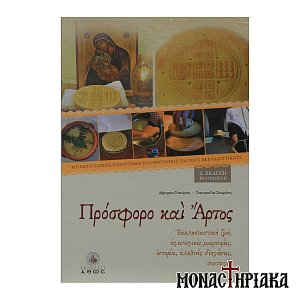
Find here: Monastic Recipes from Mount Athos

No abstinence of fasting on Movable Feasts
Finally, the no abstinence of fasting related to movable feasts, which are exceptions to the established fasts allowing the consumption of certain foods and are noted for feasts whose dates change each year:
- Palm Sunday: Fish permitted.
- Wednesday of Mid-Pentecost: Fish permitted.
- Wednesday of the Leave-taking (Apodosis) of Easter: Fish permitted.
- Feast of the Transfiguration: Fish permitted, whatever day it may fall on.
- Feast of Candlemas: Fish permitted if it falls on a Wednesday or Friday.
It is important for all the faithful to understand that fasting is not merely a matter of formal rules and exceptions to be followed, but a holy institution and commandment of the Lord.
Fasting is a spiritual struggle with profound meaning, for in this way we express in action our faith and our belonging to the body of the Church. By our stance, we show that we follow the life and journey of the Church within the world.